
Monday, June 07, 2010
Narrator
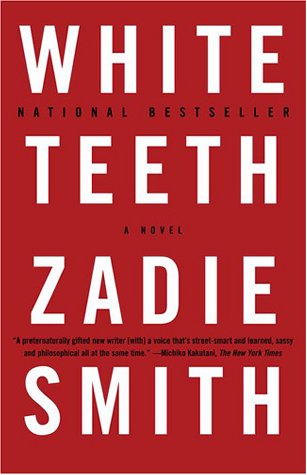
What did you think of the narrative voice? I was kind of thrown by it sometimes because I couldn't decide whether its tone was consistent. It seemed to veer between semiformal and detached to overly casual and involved. One thing in particular really stood out: its use of slang. For example, when the narrator is talking in the narrator's voice about Millat, it says he "got a lot of pu**y." Isn't that an odd way for the narrator to talk? A character, sure. But the narrator? I've seen this with other authors as well, and it always throws me because it seems like the writer is trying to inject a certain personal, casual tone, trying to lend the narrative voice a kind of hip, young personality or something without committing to an actual embodied creation. It's just a disembodied voice ... Thoughts?


Least favorite
Which character did you think was drawn the least sympathetically? (Maybe that overlaps with "whom did you like the least?" but I can also see it as a different question.)
Friday, June 04, 2010
Plot
Did you find the plot engaging? Did it seem smoothly drawn to you or a bit clunky here and there?
Characters in "White Teeth"
This novel has a fairly large and diverse cast of characters. Which character's point of view do you most identify with? Or were most sympathetic to?
Thursday, April 29, 2010
Catharsis
David's graphic essay on the process of starting "Stitches": http://www.publishersweekly.com/images/DSmall_web_650px.jpg?fullurl=/contents/images/DSmall_web_650px.jpg (click on it to enlarge)
Brothers
David's brother is present in the book, but with the exception of a couple of scenes, he's pretty invisible. Here is an interesting section of an interview with David about his brother:
Do you have any particular hopes for the book?
Something remarkable has happened because of it, already. About two years ago in February, I got a call from my editor. He was very concerned about the latest memoir publishing scandal, where the publisher was frantically shredding 75,000 copies of a book by a woman in L.A. who had claimed she'd grown up in a drug culture; her sister wrote to the newspaper and said she was lying.
Anyway, he quite rightly didn't want that to happen to his publisher, and not on his watch, so he said, "David, tell me, is there anybody still alive who might disagree with your viewpoint of these events?"
I said, "Well, I do have this brother." He said, "Have you shown it to him?" I said, "No. I told him I was doing it because he's in it, but it's not about him." And he said, "You have to show it to him." I said, "Bob, the last time I spoke with my brother, I told him to go fuck himself and that I never wanted to talk to him or hear about him again." And he said, "That's too bad, but you've got to show him the book."
So I emailed my brother and asked him if he would take a look at it. And actually I thought, because his wife had died about two months before, it might be interesting to him, to take his mind off it. I sent him a copy of the ARC.
After four days, I called him up, and I said, "What did you think of the book?" There was a long, dreadful pause on the other end of the phone. And then my brother spoke in his sepulchral, Nixonian tones, and he said, "David, your book blew me away."
I said, "Really?" He said, "Yes. It's like a snapshot of my youth," his voice getting more lively. He said, "I don't know how you did it. It's like you brought everyone back to life. They look the way they looked. Everything's exactly the way it was."
I said, "That's wonderful!" He said, "Do you mind if I show it to my therapist?" And I said, "No! What a great idea. And congratulations, by the way, on being in therapy." Then he wanted to know if he could show it to his sons, and I said, "Yes, that will probably help them understand you better."
Miraculous to say, four months later he was at my house. This is somebody whom I hadn't spoken to in fifty years. He came to our house, and he spent four days...
I'm sorry, how many years did you say?
Well, he's sixty-seven and I'm sixty-four. He might have been ten and I was six when our relationship broke off. We hated each other while we were in the house, and then he moved away, and I never really talked to him again. When we did it was always difficult.
I think what was basically going on — no, I know what was going on: Neither of us wanted anything or anybody in our lives that reminded us of our young lives.
Once this book was there, both of us could see these people again, and see them going through these situations in a way that made us both realize we had nothing to do with the anguish in that family, and there's no reason to feel guilty about it anymore.
I'll tell you, if nothing else happens with this book, it would be worth doing it just for that.
Do you have any particular hopes for the book?
Something remarkable has happened because of it, already. About two years ago in February, I got a call from my editor. He was very concerned about the latest memoir publishing scandal, where the publisher was frantically shredding 75,000 copies of a book by a woman in L.A. who had claimed she'd grown up in a drug culture; her sister wrote to the newspaper and said she was lying.
Anyway, he quite rightly didn't want that to happen to his publisher, and not on his watch, so he said, "David, tell me, is there anybody still alive who might disagree with your viewpoint of these events?"
I said, "Well, I do have this brother." He said, "Have you shown it to him?" I said, "No. I told him I was doing it because he's in it, but it's not about him." And he said, "You have to show it to him." I said, "Bob, the last time I spoke with my brother, I told him to go fuck himself and that I never wanted to talk to him or hear about him again." And he said, "That's too bad, but you've got to show him the book."
So I emailed my brother and asked him if he would take a look at it. And actually I thought, because his wife had died about two months before, it might be interesting to him, to take his mind off it. I sent him a copy of the ARC.
After four days, I called him up, and I said, "What did you think of the book?" There was a long, dreadful pause on the other end of the phone. And then my brother spoke in his sepulchral, Nixonian tones, and he said, "David, your book blew me away."
I said, "Really?" He said, "Yes. It's like a snapshot of my youth," his voice getting more lively. He said, "I don't know how you did it. It's like you brought everyone back to life. They look the way they looked. Everything's exactly the way it was."
I said, "That's wonderful!" He said, "Do you mind if I show it to my therapist?" And I said, "No! What a great idea. And congratulations, by the way, on being in therapy." Then he wanted to know if he could show it to his sons, and I said, "Yes, that will probably help them understand you better."
Miraculous to say, four months later he was at my house. This is somebody whom I hadn't spoken to in fifty years. He came to our house, and he spent four days...
I'm sorry, how many years did you say?
Well, he's sixty-seven and I'm sixty-four. He might have been ten and I was six when our relationship broke off. We hated each other while we were in the house, and then he moved away, and I never really talked to him again. When we did it was always difficult.
I think what was basically going on — no, I know what was going on: Neither of us wanted anything or anybody in our lives that reminded us of our young lives.
Once this book was there, both of us could see these people again, and see them going through these situations in a way that made us both realize we had nothing to do with the anguish in that family, and there's no reason to feel guilty about it anymore.
I'll tell you, if nothing else happens with this book, it would be worth doing it just for that.
David's dreams
The dream sequences in the book were really great. What do you make of David's recurring dream of crawling through successively smaller doors into the bombed interior of a church?
Wednesday, April 28, 2010
Monday, April 19, 2010
Mother
In his epilogue, David sounds pretty forgiving of his mother, seemingly attributing her horrible coldness to her health problems and secret life as a lesbian. Do you suppose this is a coping mechanism? Or a just a very mature show of empathy?
Sounds of silence
I was struck by all the silence in the book. It was amazing how much of the story was told with only the drawings.
Pages would go by without any dialogue between the characters. Most of the emotions are communicated through glares or little coughs or slamming cabinets. It seemed almost fitting that after growing up in a household of silence, David's voice is taken by cancer.
Pages would go by without any dialogue between the characters. Most of the emotions are communicated through glares or little coughs or slamming cabinets. It seemed almost fitting that after growing up in a household of silence, David's voice is taken by cancer.
Alice
What do you think is David's fascination with "Alice in Wonderland"? He dresses up as Alice, he fantasizes falling down the rabbit hole in his drawing, he even draws his psychologist as the White Rabbit.
Graphic memoir
What did you think of "Stitches"? Did you like the graphic format?
Kim and I have talked before about how nonfiction works better in the graphic style than fiction. Did you find that to be true with "Stitches"? And why do you think that is?
Kim and I have talked before about how nonfiction works better in the graphic style than fiction. Did you find that to be true with "Stitches"? And why do you think that is?
Thursday, April 01, 2010
The come-to-mother moment
I love the scene in the book where Henry's mom tells him she's ashamed of him for "thinking like that," that is, for only thinking of Miss Channing and Mr. Reed and their romance and never once wondering where Mrs. Reed was as they were happily strolling on the beach. At that moment, Henry realizes that his mother has seen the whole story from Mrs. Reed's perspective, and it's an absolute shock to him because he was convinced that there was only one reading of the situation. He whispers, in what struck me as the emotional high point of the book,"I'm sorry, Mother."
Then he writes:
What she did next stunned me with its uncompromising force. "You're all alike, Henry, all you men."
(Honestly, I had a flicker of respect for her just then, bitter as she was, just because most mothers seem to think their sons are the exception and easily excuse their sexist mentality instead of calling them to the mat on it! Not that I think Henry was sexist per se, but it's good for all people to be forced into an awareness of this is how the other half lives).
She stared at me for one long, ghastly moment, then turned and walked away, leaving me in a world that had begun to move again, though differently than it had before, filled with greater complications, a weave of consequences and relations that seemed larger than romance, deeper and more enduring, though still distant from my understanding, a world I'd only just briefly glimpsed, as it were, through my mother's eyes.
It's his moment of maturity, of compassion, of realizing, to paraphrase Hamlet, that there are more things in heaven and earth, Horatio, than are dreamt of in your philosophy.
And later, this notion is reinforced when he asks Sarah why Miss Channing and Mr. Reed are such cowards, why they don't just do what they want. And Sarah says, "They aren't cowards" (presumably because it's harder to not give in to personal urges than to let them hold sway).
Then Henry ruminates:
... we have never discovered why, given the brevity of life and the depth of our need and the force of our passions, we do not pursue our own individual happiness with an annihilating zeal, throwing all else to the wind. We only know that we don't, and that all our goodness, our only claim to glory, resides in this inexplicable devotion to things other than ourselves.
So he develops this sense of empathy and the belief that you must consult things other than your own passions as you move through life, which is good, but where did that get him? He gets this advice, makes these discoveries, and what is he left with? Does he abandon passion and romance, in that black-and-white mentality Erin noted? His father instills in him a sense of responsibility that is compassionate but stern, and his mother instills in him a sense more harsh than loving, and he's surrounded by adults in loveless relationships, who seem only in them because of a vow they made ages ago ... What is he supposed to think? That once you commit to someone, even if it turns out to be a bad choice, that you are duty-bound to stay your whole life? That that's what being a "good man" is? And yet it's terrible to be self-centered, too. I can see why he felt paralyzed and afraid to live! There were no role models for him of people who successfully incorporated romance and duty into their lives.
Then he writes:
What she did next stunned me with its uncompromising force. "You're all alike, Henry, all you men."
(Honestly, I had a flicker of respect for her just then, bitter as she was, just because most mothers seem to think their sons are the exception and easily excuse their sexist mentality instead of calling them to the mat on it! Not that I think Henry was sexist per se, but it's good for all people to be forced into an awareness of this is how the other half lives).
She stared at me for one long, ghastly moment, then turned and walked away, leaving me in a world that had begun to move again, though differently than it had before, filled with greater complications, a weave of consequences and relations that seemed larger than romance, deeper and more enduring, though still distant from my understanding, a world I'd only just briefly glimpsed, as it were, through my mother's eyes.
It's his moment of maturity, of compassion, of realizing, to paraphrase Hamlet, that there are more things in heaven and earth, Horatio, than are dreamt of in your philosophy.
And later, this notion is reinforced when he asks Sarah why Miss Channing and Mr. Reed are such cowards, why they don't just do what they want. And Sarah says, "They aren't cowards" (presumably because it's harder to not give in to personal urges than to let them hold sway).
Then Henry ruminates:
... we have never discovered why, given the brevity of life and the depth of our need and the force of our passions, we do not pursue our own individual happiness with an annihilating zeal, throwing all else to the wind. We only know that we don't, and that all our goodness, our only claim to glory, resides in this inexplicable devotion to things other than ourselves.
So he develops this sense of empathy and the belief that you must consult things other than your own passions as you move through life, which is good, but where did that get him? He gets this advice, makes these discoveries, and what is he left with? Does he abandon passion and romance, in that black-and-white mentality Erin noted? His father instills in him a sense of responsibility that is compassionate but stern, and his mother instills in him a sense more harsh than loving, and he's surrounded by adults in loveless relationships, who seem only in them because of a vow they made ages ago ... What is he supposed to think? That once you commit to someone, even if it turns out to be a bad choice, that you are duty-bound to stay your whole life? That that's what being a "good man" is? And yet it's terrible to be self-centered, too. I can see why he felt paralyzed and afraid to live! There were no role models for him of people who successfully incorporated romance and duty into their lives.
Monday, March 29, 2010
Responsibility
Because nearly everyone in this story dies, and Henry probably dies in spirit, could you lay responsibility in any one place here? More than one place?
Tragic means
This is the second novel by Cook I have read, and in both cases I was impressed by how the mysteries just unravel -- more tragic and chilling than all the foreshadowing properly portended -- and when you think you've heard the worst of the tale, the author delivers one more chilling revelation.
In this case it was pretty clear most of the key players wouldn't survive, so it would become how it all happened that had to emotionally hit the reader. Henry's role in the turn of events (provoking Mrs. Reed) was the first for me -- then Sarah's death as a bystander. But when I thought the worst of it was over, I was stunned to read the part about Henry going into the water and deciding to leave Mrs. Reed in the car. I mean, I think from the description of the blood flowing from her mouth that he had found a dying woman, but there must have been that moment on either side of the window where they look at each other and both know Henry will not fish her out. Why do you think he would have done that?
In this case it was pretty clear most of the key players wouldn't survive, so it would become how it all happened that had to emotionally hit the reader. Henry's role in the turn of events (provoking Mrs. Reed) was the first for me -- then Sarah's death as a bystander. But when I thought the worst of it was over, I was stunned to read the part about Henry going into the water and deciding to leave Mrs. Reed in the car. I mean, I think from the description of the blood flowing from her mouth that he had found a dying woman, but there must have been that moment on either side of the window where they look at each other and both know Henry will not fish her out. Why do you think he would have done that?
Thursday, March 25, 2010
Miss Channing and Henry
There were times in the story that I found it remarkable how noble was Henry's admiration for Miss Channing, that he recognized her beauty but could better judge her as a teacher, mentor, friend. At times I thought Miss Channing and Mr. Reed were more like Henry's substitute parents. And yet Henry was nearly ready for college and Miss Channing quite young herself, that it seemed likely they only had six or seven years of an age difference. Was it odd to you at all that he didn't see her through a more sexual perspective, or could that have been rooted as deep as his other inhibitions, something he would be too polite to imply?
Chatham
What did you think of the small town Henry described throughout the book, a place both beautiful and Gothic, but also repressive and dull? He said of Miss Channing's arrival: "She drew in a deep breath, grasped the iron rail, and made her way down the stairs and into the village where no great artist had ever lived, no great event ever happened, save for those meted out by sudden storms or the torturous movement of geologic time." What was it for Henry, anyway -- a cage? A giant albatross? A safe haven from taking any more chances at life that could hurt another person?
Small town life
I spent most of the novel wondering why Henry, who so badly wanted to leave town and see the world, would instead remain the rest of his life. His revelations toward the end explained why he imprisoned himself there without a family of his own, but I wondered why he never visited (in such a small town) all the relevant sites of the Chatham School Affair or its other living victim, Alice Craddock. What do you make of that?
Wednesday, March 24, 2010
Next pick
 "Stitches" by David Small
I thought we could revisit the graphic novel for the next pick. This is a memoir of a shockingly unhappy childhood that hopefully won't be too depressing.
Monday, March 01, 2010
British understatement
I thought this was a great description of William's personality — and also a funny way of saying how Brits and Germans differed 700 years ago in the same way as they do today:
Adso says of William: "I never understood when he was jesting. In my country, when you joke you say something and then you laugh very noisily, so everyone shares in the joke. But William laughed only when he said serious things, and remained very serious when he was presumably joking."
(cl, it occurs to me we work with a lot of Germans).
There are also some funny stereotypes of the French and Italians and Greeks.
Adso says of William: "I never understood when he was jesting. In my country, when you joke you say something and then you laugh very noisily, so everyone shares in the joke. But William laughed only when he said serious things, and remained very serious when he was presumably joking."
(cl, it occurs to me we work with a lot of Germans).
There are also some funny stereotypes of the French and Italians and Greeks.
Subscribe to:
Posts (Atom)

